

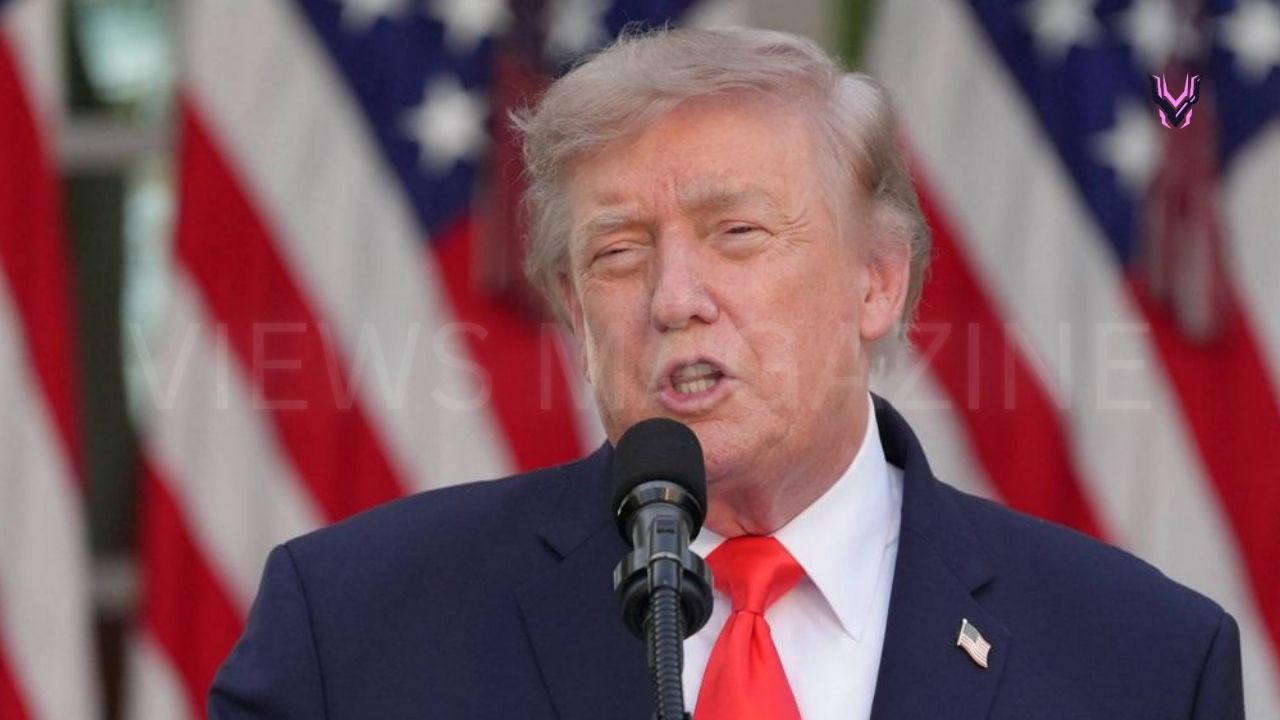
The Trump administration has refunded approximately $81 billion in tariffs after a landmark U.S. Supreme Court ruling determined that a significant portion of the administration’s emergency tariffs had been imposed unlawfully. The refunds, issued primarily during May and June 2026, represent one of the largest repayments of tariff revenue in U.S. history and have had a noticeable impact on the federal budget.
The decision stems from a Supreme Court ruling issued earlier this year, which found that President Donald Trump exceeded his authority by using the International Emergency Economic Powers Act (IEEPA) to impose broad import tariffs. While the court invalidated many of those duties, it left lower courts to oversee the complex refund process for affected importers.
Supreme Court Ruling Triggers Massive Refunds
According to newly released U.S. Treasury budget data, tariff refunds surged during the final two months of the latest reporting period. The federal government returned roughly $81 billion to businesses that had paid the now-invalidated import duties, reversing a substantial portion of the tariff revenue collected under the policy.
The refund process primarily benefits importers and customs brokers that paid the tariffs at the time goods entered the United States. Although consumers often faced higher prices because of the tariffs, current refund mechanisms are directed toward eligible importing companies rather than individual shoppers.
Why the Court Struck Down the Tariffs
The Supreme Court concluded that the administration could not rely on the International Emergency Economic Powers Act to impose sweeping global tariffs without congressional authorization. The ruling significantly limited the use of emergency powers for broad trade actions and represented one of the most important legal setbacks for Trump’s trade agenda.
Legal experts say the decision does not eliminate the president’s authority to impose tariffs under other trade laws. Instead, it restricts the specific emergency authority that was used to implement many of the challenged duties. The administration has continued exploring alternative legal pathways for future tariff measures.
Budget Impact of the Tariff Refunds
The large refunds significantly affected the federal government’s June financial results. Treasury figures showed that June ended with a $120 billion budget deficit, compared with a surplus during the same month a year earlier. Analysts attributed much of the change to the sharp increase in tariff refunds, combined with higher interest costs and increased government spending.
Officials reported that refunds issued in May and June far exceeded the customs duties collected during the same period, reducing net tariff revenue and contributing to the widening fiscal deficit.
What Happens Next?
Despite the Supreme Court’s ruling, legal disputes over tariff refunds are expected to continue. The Trump administration has previously challenged lower court orders expanding refund eligibility, while businesses continue filing claims to recover duties they believe were collected unlawfully. Additional litigation could determine how much more money the government ultimately returns.
Trade policy also remains a key part of the administration’s economic strategy. Officials have indicated they are considering new tariffs under different statutory authorities, meaning the legal debate over presidential tariff powers is likely to continue in the months ahead.
Conclusion
The $81 billion tariff refund marks a major financial and legal consequence of the Supreme Court’s ruling against key elements of the Trump administration’s trade policy. While the repayments provide relief for many importers, they have also reduced government revenue and reopened debate over the limits of presidential authority in shaping U.S. trade policy. As additional court proceedings unfold, businesses and policymakers will continue to watch how the ruling reshapes future tariff decisions and international trade strategy.