

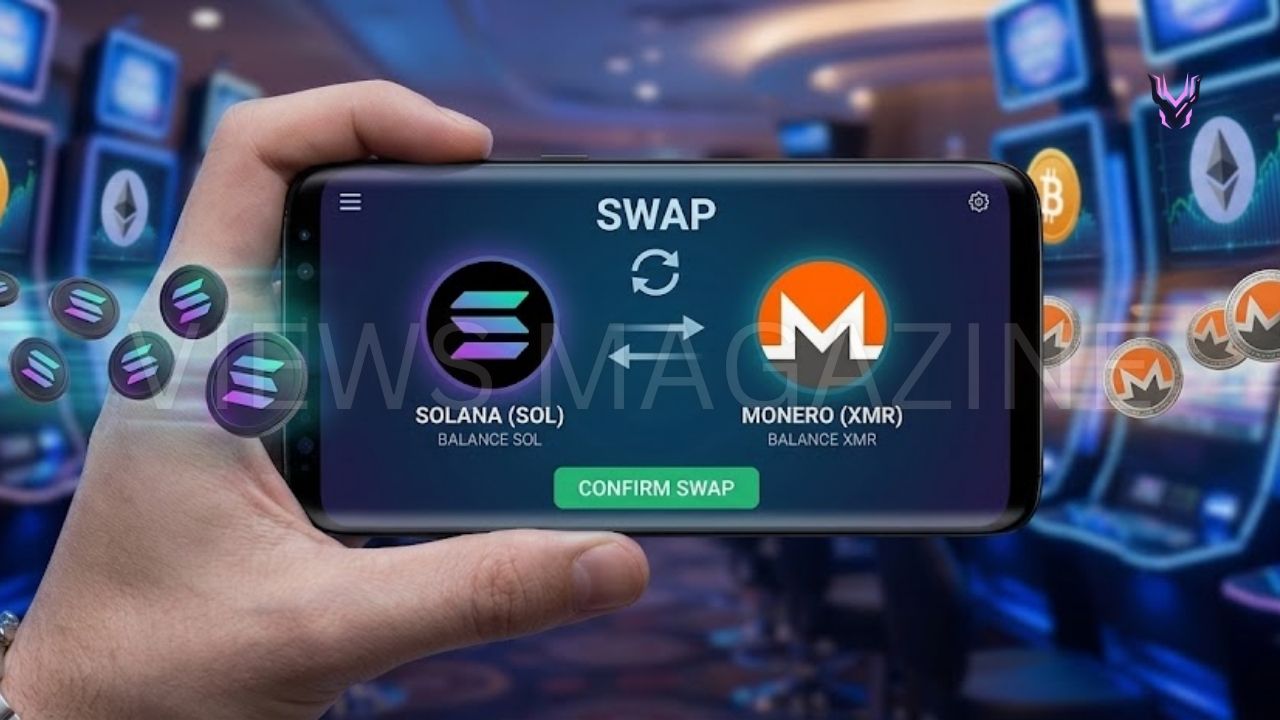
Converting Solana (SOL) to Monero (XMR) has become increasingly popular among cryptocurrency users who want to diversify their digital assets or take advantage of Monero’s strong privacy features. Whether you are an experienced trader or a beginner entering the crypto market, understanding how a SOL to XMR exchange works can help you complete transactions safely while minimizing unnecessary fees. Today, numerous exchange platforms support direct or indirect cryptocurrency swaps, giving users multiple options based on speed, cost, security, and regulatory requirements.
Choosing the right exchange method involves more than simply comparing exchange rates. Factors such as transaction fees, network confirmation times, wallet compatibility, platform reputation, and security measures all play important roles in ensuring a successful swap. Some users prioritize fast transactions, while others focus on privacy, low costs, or ease of use.
What Is a SOL to XMR Exchange?
A SOL to XMR exchange is the process of converting Solana (SOL) tokens into Monero (XMR) using a cryptocurrency exchange, swap service, or another supported trading platform. Because SOL and XMR operate on completely different blockchain networks, specialized exchange services facilitate the conversion by receiving one cryptocurrency and sending the other after the transaction has been processed. Depending on the provider, users may complete the exchange directly or through automated liquidity pools designed to simplify cross-chain transactions while maintaining competitive market pricing.
Unlike traditional currency exchanges that convert government-issued money, cryptocurrency swaps rely on blockchain technology and digital wallets. Each transaction requires users to send SOL from a compatible Solana wallet and receive XMR in a Monero wallet. Exchange providers calculate the conversion based on current market prices while deducting applicable network and service fees. Understanding this process helps users avoid mistakes such as sending assets to incompatible wallet addresses, which can result in permanent loss of funds. Learning the fundamentals creates a safer and more efficient exchange experience.
Understanding Solana (SOL) and Monero (XMR)
Solana is a high-performance blockchain designed to support decentralized applications, smart contracts, and digital asset transactions with impressive speed and relatively low transaction costs. Its native cryptocurrency, SOL, is widely used for staking, paying network fees, and participating in decentralized finance applications. Solana’s scalable architecture has attracted developers, investors, and blockchain projects seeking fast confirmation times and efficient network performance. These characteristics have helped SOL become one of the largest cryptocurrencies by market capitalization within the global digital asset ecosystem.
Monero, commonly known by its ticker symbol XMR, focuses on financial privacy and transaction confidentiality. Unlike many public blockchains, Monero uses advanced cryptographic technologies to conceal transaction amounts, wallet addresses, and participant identities. This privacy-first approach appeals to users who prioritize confidentiality when transferring digital assets. Because Monero operates independently from the Solana blockchain, exchanging SOL for XMR requires specialized services capable of handling cross-chain conversions. Understanding the unique purposes of both cryptocurrencies allows users to choose exchange strategies that align with their investment objectives and personal preferences.
Why People Convert SOL to XMR
Many cryptocurrency investors exchange SOL for XMR as part of a broader portfolio diversification strategy. Holding multiple digital assets can reduce dependence on a single blockchain ecosystem while providing exposure to different technologies and use cases. Some investors appreciate Solana’s focus on decentralized applications and high-speed transactions, while others value Monero’s emphasis on privacy and confidential payments. Converting between these cryptocurrencies enables users to respond to changing market conditions, investment goals, or personal preferences without first converting digital assets into traditional fiat currency.
Privacy is another important reason many users choose to exchange SOL for XMR. While blockchain transparency provides valuable benefits for many networks, some individuals prefer additional transaction confidentiality for legitimate financial privacy purposes. Monero offers privacy-focused features that distinguish it from many other cryptocurrencies currently available. Other users simply seek better trading opportunities, lower long-term investment risk through diversification, or participation in blockchain communities supporting different technological innovations. Regardless of motivation, careful planning and secure exchange practices remain essential before completing any cryptocurrency transaction.
How SOL to XMR Exchanges Work
The SOL to XMR exchange process typically begins when a user selects a trusted cryptocurrency exchange or swap platform supporting both digital assets. After reviewing the exchange rate and estimated fees, the user enters the receiving Monero wallet address and transfers the required amount of SOL to the deposit address provided by the platform. Once the Solana blockchain confirms the transaction, the exchange converts the assets according to current market pricing. Finally, the equivalent amount of XMR is transferred to the destination wallet after deducting applicable service and network fees.
Although the overall process appears straightforward, several technical steps occur behind the scenes. Exchange platforms continuously monitor blockchain confirmations, liquidity availability, pricing changes, and network conditions before completing each transaction. Some services perform the exchange instantly using internal liquidity, while others source prices from multiple trading markets to obtain competitive rates. Processing times therefore vary depending on blockchain congestion, platform efficiency, and security verification procedures. Understanding these operational details helps users set realistic expectations while avoiding unnecessary concerns during the waiting period.
Best Ways to Exchange SOL for XMR
There are several reliable ways to exchange SOL for XMR, and the best option depends on your priorities, such as speed, cost, privacy, or ease of use. Centralized cryptocurrency exchanges generally provide competitive pricing, high liquidity, and user-friendly interfaces. They are often suitable for beginners because they offer clear transaction histories, customer support, and additional security features such as two-factor authentication. However, many centralized platforms require identity verification (KYC), which may not appeal to users seeking greater privacy.
Instant cryptocurrency swap services offer another popular method for converting SOL to XMR. These platforms are designed for quick cross-chain exchanges without requiring users to actively trade on an order book. Some also support non-custodial transactions, allowing users to retain control of their assets until the swap is completed. Before selecting any exchange method, compare the exchange rate, service fee, network fee, transaction limits, customer reviews, and security reputation. Taking a few extra minutes to compare providers can significantly reduce costs and improve the overall trading experience.
Choosing a Secure SOL to XMR Exchange
Security should always be the highest priority when exchanging cryptocurrencies. Before using any platform, verify that it has a strong reputation, transparent fee policies, and a history of reliable service. Reputable exchanges clearly explain their security measures, support encrypted connections, and encourage users to enable two-factor authentication whenever possible. Reading independent user reviews and checking how long a platform has operated can also provide valuable insight into its reliability and customer satisfaction.
It is equally important to protect your own wallets and devices. Always verify wallet addresses before confirming a transaction, since cryptocurrency transfers generally cannot be reversed once processed on the blockchain. Avoid conducting exchanges while connected to unsecured public Wi-Fi networks, and never share wallet recovery phrases or private keys with anyone. Keeping wallet software updated and using hardware wallets for larger holdings can provide additional protection. Combining secure personal practices with a trustworthy exchange significantly reduces the risk of fraud or accidental asset loss.
Exchange Fees and Processing Times
Every SOL to XMR transaction involves certain costs, and understanding these fees helps users make informed decisions. Most exchanges charge a service fee for processing the conversion, while both the Solana and Monero blockchains may require network transaction fees. Additionally, users should consider the spread—the difference between the displayed market price and the actual exchange rate offered. Although a platform may advertise low service fees, a wider spread can increase the total cost of the transaction.
Processing times vary depending on several factors, including blockchain confirmation speed, exchange workload, and network congestion. Solana transactions are generally confirmed quickly because of the network’s high throughput, while the total exchange time also depends on when the provider releases the converted XMR. Under normal conditions, many transactions are completed within several minutes, although delays may occur during periods of heavy blockchain activity or when additional security checks are required. Reviewing estimated completion times before confirming a swap helps set realistic expectations.
Wallets for SOL and XMR
Before initiating a SOL to XMR exchange, users need compatible wallets for both cryptocurrencies. SOL is stored in wallets that support the Solana blockchain, including software wallets, mobile applications, browser-extension wallets, and hardware wallets. These wallets allow users to send, receive, and securely manage their SOL while maintaining control of their private keys. Selecting a wallet with strong security features and regular software updates helps reduce potential risks associated with digital asset storage.
Monero requires a wallet specifically designed to support the XMR blockchain and its privacy-focused technology. Users can choose from official desktop wallets, mobile wallets, and hardware wallets that provide secure storage while preserving transaction confidentiality. Before completing any exchange, carefully copy and verify the destination wallet address because sending cryptocurrency to an incorrect or incompatible address can result in permanent loss of funds. Using trusted wallet software from official sources is one of the most effective ways to protect digital assets.
Common Risks and How to Avoid Them
Like any cryptocurrency transaction, exchanging SOL for XMR involves certain risks that users should understand before proceeding. One common risk is entering an incorrect wallet address, which may cause funds to be permanently lost. Scam websites that imitate legitimate exchange platforms also remain a concern, particularly during periods of increased cryptocurrency activity. In addition, rapid market volatility can cause exchange rates to change between the moment a transaction is initiated and the time it is completed, affecting the final amount received.
Many of these risks can be minimized through careful preparation and good security habits. Always verify website URLs before entering wallet information, compare exchange rates across multiple providers, and begin with a small test transaction if you are using a platform for the first time. Enable two-factor authentication on exchange accounts whenever available, and never disclose private keys or recovery phrases. Staying informed about current security best practices and using reputable services can greatly improve the safety and reliability of every SOL to XMR exchange.
ips for Getting the Best Exchange Rate
Getting the best SOL to XMR exchange rate requires more than choosing the first platform you find. Cryptocurrency prices can vary slightly between exchanges because of differences in liquidity, trading volume, and fee structures. Before initiating a swap, compare rates across several reputable platforms and pay attention to the final amount of XMR you will receive after all fees are deducted. Some services advertise low exchange fees but apply a larger spread, reducing the actual value of your transaction.
Timing can also affect the exchange rate. Cryptocurrency markets operate 24 hours a day, and prices often fluctuate significantly within short periods. Monitoring market trends before exchanging large amounts may help you obtain a more favorable conversion rate. If the platform offers both fixed-rate and floating-rate options, understand how each works before making your decision. Fixed rates provide certainty during volatile markets, while floating rates follow current market prices and may result in either a better or worse final exchange depending on market movements.
Is a SOL to XMR Exchange Legal?
In many countries, exchanging one cryptocurrency for another is legal, provided users comply with applicable financial regulations and tax requirements. However, cryptocurrency laws vary considerably between jurisdictions. Some countries have established comprehensive regulatory frameworks for digital assets, while others restrict or prohibit certain cryptocurrency-related activities. Before exchanging SOL for XMR, users should review the laws that apply in their country or region and ensure they are using a compliant exchange platform where required.
It is also important to understand that exchange platforms may have different compliance requirements. Some centralized exchanges require Know Your Customer (KYC) verification to comply with anti-money laundering regulations, while other services may operate under different legal frameworks. Regardless of the platform chosen, users remain responsible for complying with local laws, maintaining accurate transaction records, and fulfilling any applicable tax obligations. Staying informed about current regulations helps reduce legal risks and supports responsible cryptocurrency investing.
Conclusion
A SOL to XMR exchange allows cryptocurrency users to convert Solana into Monero efficiently while taking advantage of each blockchain’s unique strengths. Whether your goal is portfolio diversification, access to Monero’s privacy-focused technology, or participation in different blockchain ecosystems, understanding how the exchange process works is essential. Choosing a reputable exchange, comparing fees, verifying wallet addresses, and following strong security practices can significantly improve both the safety and success of every transaction.
As the cryptocurrency industry continues evolving, exchange services are becoming faster, more secure, and increasingly user-friendly. Even so, users should never overlook the importance of research before selecting an exchange provider. Comparing exchange rates, reviewing platform security, understanding applicable regulations, and protecting personal wallet information remain the foundations of safe cryptocurrency trading. By following the guidance outlined in this article, both beginners and experienced investors can complete SOL to XMR exchanges with greater confidence while minimizing unnecessary risks and costs.
Frequently Asked Questions
What does SOL to XMR mean?
SOL to XMR refers to exchanging Solana (SOL) for Monero (XMR) using a cryptocurrency exchange or swap service.
How long does a SOL to XMR exchange take?
Most exchanges are completed within a few minutes to about an hour, depending on blockchain confirmations, network congestion, and the exchange platform.
Are SOL to XMR exchanges safe?
They can be safe when using reputable exchange providers, verifying wallet addresses carefully, and following recommended security practices such as enabling two-factor authentication.
Do I need a wallet before exchanging SOL to XMR?
Yes. You need a Solana-compatible wallet to send SOL and a Monero-compatible wallet to receive XMR.
What fees are involved in a SOL to XMR swap?
Typical costs include blockchain network fees, exchange service fees, and the trading spread between buying and selling prices.
Stay More Update VIEWS MAGAZINE